
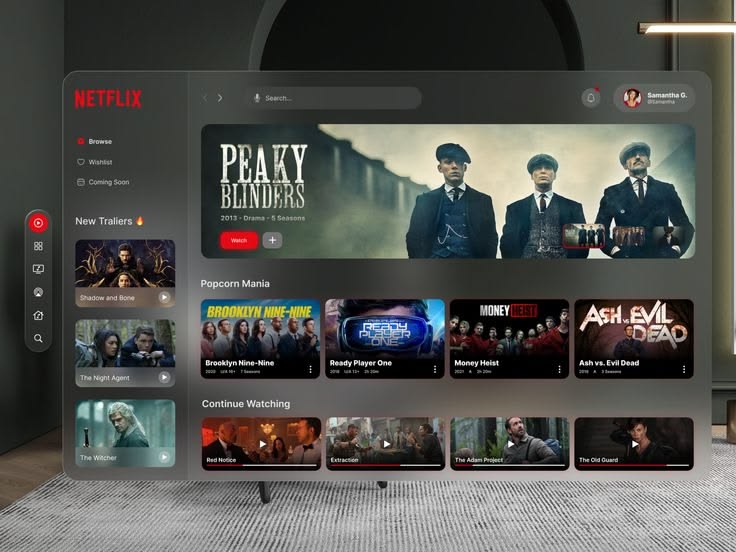
A movie search rarely stays neat. Someone opens a page for a title, checks a cast name, watches half a trailer, answers a message, then keeps the browser open after the film choice is already made. That after-movie scrolling is familiar to anyone who uses a phone as a remote, guide, chat window, and entertainment screen at the same time.
A movie page teaches people to scan fast
Movie pages train users to make quick judgments. A poster, title, release year, language note, and short description tell the visitor whether the page is worth another minute. During that same browsing session, a person may move from film details to a slots page and read more when the next screen looks like a light break rather than another long search. The shift feels natural because both pages live in the same entertainment habit: look, scan, decide, and either stay or close the tab.
That first scan matters. A film page loses people when posters load badly, buttons look fake, or the title information feels scattered. A slots page has the same problem in a different format. The visitor wants to see what the page offers without guessing where the game list starts, where account areas sit, or where rules can be found. A phone screen gives very little room for clutter, especially when the user is already switching between chats, trailers, and search results.
Posters and slot pages both depend on visual order
A good movie poster does not explain the entire story. It gives enough mood to make someone curious. The title is readable, the image has focus, and the viewer gets a sense of genre before reading the description. Slot pages need a similar kind of order on the first screen. The page can be colorful, but it still has to guide the eye instead of throwing every button forward at once.
This is where many entertainment pages go wrong. They confuse energy with crowding. A busy page may look active, yet still feel hard to use because the visitor cannot tell what deserves attention first. A cleaner slots page gives game sections enough space, keeps labels direct, and makes the next action obvious. That does not make the page boring. It makes it easier to understand during a short phone break.
What movie browsers notice on slot pages
People coming from movie searches are already in comparison mode. They are used to checking small details before trusting the next page.
- Game sections should be visible without a long hunt.
- Labels should sound normal and match the action.
- Rules should be reachable before account steps.
- The page should not jump while images load.
- Login areas should feel separate from browsing.
- Closing the tab should be easy after a short session.
These details shape the whole visit more than loud graphics do. A person may forgive a simple design if the page behaves well. They are less patient with a page that shifts, hides useful links, or makes the next tap feel uncertain.
A crowded screen can ruin the break
Movie sites become annoying when pop-ups cover the poster or a fake button sits too close to the real one. Slot pages can create the same irritation when banners, game tiles, and account prompts compete for one small screen. The visitor should not have to slow down just to understand the basic layout. A short entertainment break works better when the page gives the eye a clear path from title to category to rules.
Late-night browsing changes how pages feel
Movie searches often happen late, after work, dinner, or a long day. The user may be tired, half-watching something, or scrolling because sleep still feels far away. That mood can make every next link feel harmless. A slots page may become part of the same evening scroll, even when the user only meant to check one thing.
That is why the page should keep casual browsing and account activity clearly apart. Adult users should check local rules before using real-money features. Entertainment spending should also stay away from rent, food, bills, transport, savings, and family needs. This should feel like ordinary phone sense, not a heavy warning, because most users simply need the page to make the boundary clear.
A better slot page fits the movie-night habit
The best movie pages help people find what they came for without turning the search into work. A good slots page should do the same. It should open cleanly, show the main areas, keep rules visible, and let the visitor leave without unfinished prompts or confusing tabs.
A movie night already comes with enough small decisions: what to watch, where to watch it, who is replying in the chat, and whether the next film is worth another hour. A slots page fits that evening only when it feels easy to scan and easy to close. Clear wording, steady loading, and a calmer first screen make the difference between a quick break and another messy browser tab.


