
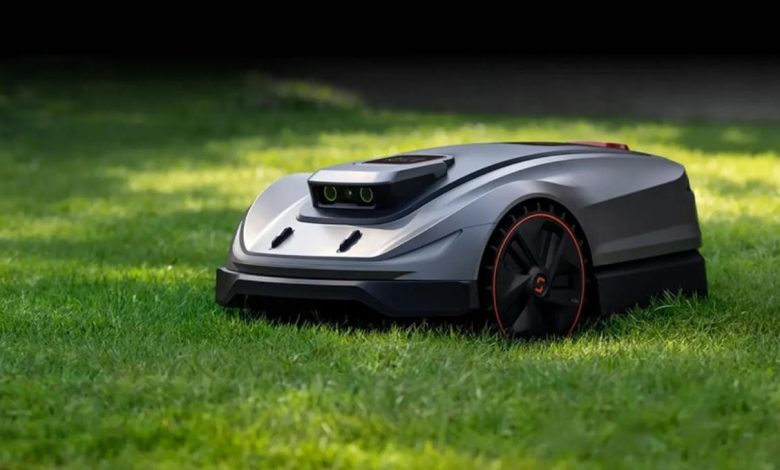
Robot lawn mowers work best when they cut frequently and leave an even, clean finish. Mulching blades play a key role in making that happen. Instead of simply slicing and dropping long clippings, these blades chop grass into very fine pieces that fall back into the turf. This single change affects cut quality, mowing efficiency, and the long‑term health of the lawn. Homeowners see fewer visible clippings, fewer weeds, and more even growth. The mower runs smoother, too, with less clogging and strain on the motor. Understanding how mulching blades work helps you choose and maintain them for better performance.
How Do Mulching Blades Enhance Robot Lawn Mower Performance?
Creating Finer Grass Clippings for Better Lawn Nutrition
Mulching blades on robot mowers have a different shape and edge than standard blades. Their design keeps grass in the cutting zone longer, so the mower recuts each blade of grass into tiny particles. These fine clippings fall deep into the lawn canopy instead of sitting on top. As they break down, they act like a light, natural fertilizer, returning nitrogen and other nutrients to the soil. The robot mower keeps working quietly while this recycling happens after every pass. Because the clippings are so small, they do not form clumps or smother the turf. This steady, gentle feeding supports consistent, healthy growth.
Improving Cutting Quality and Overall Mowing Efficiency
Mulching blades improve the way a robot mower cuts each time it passes over the lawn. The blade edges and airflow patterns lift the grass more evenly before cutting, which helps prevent stragglers and missed patches. This leads to a more uniform height and a smoother appearance across the yard. Because the mower chops clippings into smaller pieces, it spends less effort pushing and dragging long cuttings around the deck. The motor and drive system operate under more stable loads, which can improve runtime and reduce wear. Over time, the mower maintains a consistent cut with fewer visible lines, scalped areas, or uncut tufts.
Reducing Grass Buildup and Supporting Continuous Mowing Cycles
Continuous, frequent mowing is the main advantage of robot lawn mowers, and mulching blades help keep that cycle running smoothly. Fine clippings move quickly through the deck and drop back into the turf, so they are less likely to stick to the underside of the housing. Reduced buildup means fewer stoppages for cleaning and fewer chances for the mower to bog down in damp or lush patches. The motor does not struggle as much with excess material, which can lower heat and stress during long schedules. This lets the robot complete more of its planned routes without interruption, supporting a reliable, low‑effort mowing routine.
What Benefits Do Mulching Blades Provide for Lawn Health?
Returning Natural Nutrients to the Soil and Grass Roots
Mulching blades turn grass clippings into a steady source of organic matter for your lawn. Each time the robot mower cuts, the tiny pieces of grass fall into the soil surface and begin to decompose. As they break down, they release nutrients that the grass originally pulled from the soil, especially nitrogen. This natural recycling process can reduce the amount of synthetic fertilizer you need over the season. The added organic material improves soil structure, making it easier for roots to grow and access air and water. Healthier roots support thicker, greener turf that can crowd out weeds and recover faster from stress.
Helping Retain Moisture and Improve Turf Resilience
Fine mulched clippings act like a light protective layer over the soil, helping the lawn hold moisture between waterings. They shade the soil surface, which reduces evaporation on hot or windy days. Because the particles are small and distributed evenly by the robot mower, they do not smother the grass or become a heavy mat. Instead, they slip between blades and settle at the base of the turf. Over time, this thin layer supports better moisture balance and can reduce watering needs. Grass that experiences fewer swings between wet and dry conditions tends to develop deeper roots and becomes more resilient to heat, traffic, and seasonal stress.
Reducing the Need for Bagging, Collection, and Waste Disposal
One of the biggest practical benefits of mulching blades is the drop in grass waste you need to handle. Because the robot mower chops clippings into tiny pieces and leaves them on the lawn, there is little or no need for bagging. Homeowners avoid hauling heavy bags, paying disposal fees, or finding space for compost piles solely for excess clippings. This saves time and reduces the environmental impact of transporting yard waste. The robot spends less energy managing full bags or bins and focuses only on cutting. The lawn stays tidy without piles of cut grass, while the soil quietly reuses the material as a natural resource.
How Can You Maximize the Performance of Robot Mower Mulching Blades?
Choosing the Right Mulching Blades for Your Robot Mower Model
To get the most from mulching blades, match them carefully to your specific robot mower model. Manufacturers design blade shapes, sizes, and mounting systems for particular decks and motors. Using the recommended mulching blades ensures proper clearance, safe operation, and the right airflow pattern for recutting clippings. Check your mower’s manual or official website for approved blade types, and confirm whether you need single, dual, or multiple small blades. Avoid mixing generic or untested blades, as they may cause vibration, poor cuts, or higher power use. When possible, choose genuine or high‑quality aftermarket blades that list your exact robot mower in their compatibility information.
Maintaining Blade Sharpness and Replacing Worn Components
Sharp mulching blades are critical for clean cuts and fine clippings. Dull edges tear grass instead of slicing it, leaving ragged tips that brown quickly and increasing resistance on the motor. Inspect blades regularly during the mowing season for nicks, bends, or excessive wear. Many robot mower blades are small and inexpensive, so owners often replace rather than sharpen them. Follow the manufacturer’s replacement interval as a baseline and shorten it if you mow in sandy, stony, or rough areas. Always power off the mower, remove the battery or safety key, and use proper tools when handling blades to avoid injury and protect the mower’s deck.

Adapting Mowing Schedules and Lawn Conditions for Best Results
Mulching works best when the robot mower cuts often and removes only a small portion of each grass blade. Adjust the schedule so the mower runs several times a week, or even daily during peak growth, to keep clippings short and easy to recycle. Avoid letting grass grow too long between cuts, especially after heavy rain or vacation breaks. Try not to mulch very wet grass, since clippings can stick and clump even with good blades. If the lawn is stressed by heat or drought, raise the cutting height to reduce strain. These simple adjustments help mulching blades perform at their best and maintain a healthy, even lawn.
Conclusion
The robot mowers with mulching blades transform how robot mowers cut and care for a lawn. By creating fine clippings, they improve cut quality, reduce visible waste, and return valuable nutrients to the soil. The mower benefits from smoother operation, fewer clogs, and more reliable mowing cycles. The lawn gains better moisture retention, stronger roots, and a cleaner, greener appearance with less effort from the owner. Choosing compatible blades, keeping them sharp, and pairing them with smart mowing schedules unlocks their full potential. With the right setup, robot mower mulching blades deliver both higher performance and healthier turf season after season.


