
Modern households increasingly incorporate electric vehicles into their daily lives, necessitating a reliable way to manage power consumption. As more people transition to electric transport, they find that a dedicated home unit offers a practical method for fueling their vehicles while managing domestic energy loads. By installing these systems, owners gain better oversight of their electricity use, ensuring that their charging habits align with overall home efficiency and grid stability.
The Role of Smart Charging Solutions
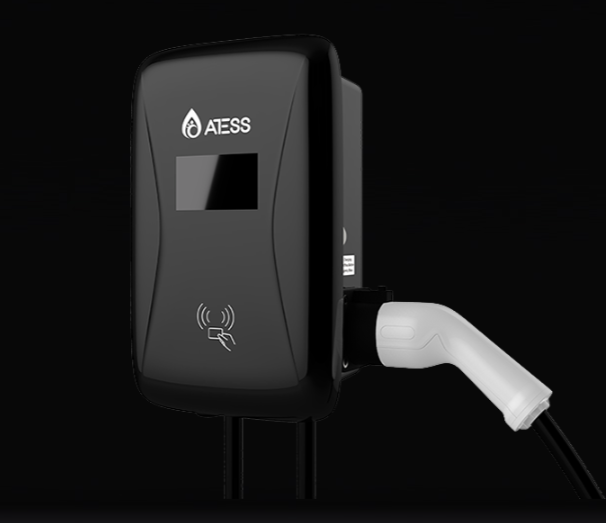
Atess provides specialized hardware designed to integrate effectively into residential settings. Their chargers offer features that allow users to monitor energy draw, which is critical when balancing multiple household appliances. Because these systems are engineered for residential use, they prioritize safety and ease of operation. Using a dedicated residential EV charger helps stabilize the power intake, preventing the potential overloads associated with less efficient charging methods.
Efficient energy management becomes possible through advanced connectivity. Owners often utilize mobile applications to schedule their sessions, ensuring that vehicles charge during periods when electricity is more available or cost-effective. Atess ensures that their equipment remains compatible with various vehicle models, offering a versatile approach to home infrastructure. A well-placed residential ev charger serves as a vital link between the utility grid and the household’s energy needs, promoting a more balanced consumption pattern.
Supporting Future Energy Demands
Professional installation of residential EV charging stations is essential for maintaining electrical safety and performance. When residents implement these systems, they often observe that they can manage their energy profile more effectively compared to standard outlets. The technical design of these stations ensures that the power flow remains consistent, which protects the vehicle battery and the home electrical circuit.
These residential EV charging stations represent a shift toward more intentional power consumption within private homes. By utilizing residential EV charging stations, families can reduce their reliance on public infrastructure and gain greater autonomy over their daily energy requirements. This approach creates a sustainable cycle where energy is consumed with higher precision, supporting a more efficient household energy environment as the adoption of electric mobility continues to grow.


